

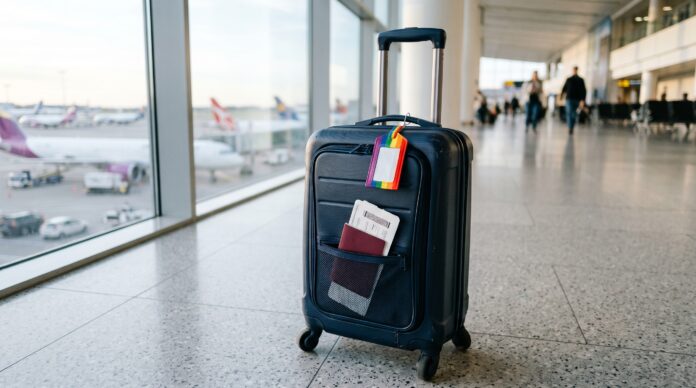

Thanksgiving week is here, which means millions of people are about to stand in a security line holding their shoes and a lukewarm iced coffee.
So before you zip the suitcase: a safety checklist for the gays & theys. Not a scare piece. There’s risk everywhere for us, including at home, and travel is still one of the best things you can do with your time and money. This is the stuff that takes ten minutes before you fly and saves you a very bad day later.
Let’s get into it. 👇
1. Check the law, then check the vibe
Start with the law. The Human Dignity Trust’s criminalisation map counts 65 jurisdictions that still criminalise private, consensual same-sex activity, 12 countries where the death penalty is imposed or possible, and 13 countries that criminalise trans people’s gender identity or expression.
Then check how people actually feel. Equaldex scores every country on two things: what the laws say and what public opinion polls say. Those two numbers don’t always match, and the gap is where travelers get surprised.
And the law on paper isn’t the whole story. The UK Foreign Office notes that same-sex activity isn’t explicitly criminalised in Egypt, yet authorities have prosecuted LGBT+ people under “debauchery” laws. “Technically legal” and “safe to be out” are two different things.
👉 Pro tip: research the specific places you’re going, not just the country. The UK government’s LGBT foreign travel advice says exactly that, and the U.S. State Department’s LGBTQI+ travelers page warns that a welcoming resort can sit next door to a town that isn’t. The gay beach bar is not the whole island.
2. Treat dating apps like a stranger with a clipboard
Vacation Grindr is basically a local guidebook with abs. But in some countries the person messaging you might be a cop.
A 2023 Human Rights Watch report found security forces in Egypt, Iraq, Jordan, Lebanon and Tunisia creating fake profiles to entrap LGBT people on apps like Grindr, and documented 20 entrapment cases in Egypt, Iraq and Jordan alone. In one, a man arrested in Egypt said one of the officers who showed up at his cell was a guy he’d met on Grindr. 🥴
Before you land somewhere with a bad record:
- Turn off your distance. Grindr lets you hide distance, set a PIN and send expiring photos. In its highest-risk countries, Grindr says it switches off Show Distance for everyone and pushes local safety alerts.
- Disguise the app. The discreet icon can make Grindr look like a calculator or a clock, a feature built after users in Beirut were harassed at checkpoints when soldiers recognized the app.
- Meet in public, tell someone where you’re going, and don’t send face pics or anything explicit to someone you haven’t met.
- Expect some apps to be blocked. Malaysia, for one, blocked the Grindr and Blued websites this year and says it’s looking at ways to restrict the apps too.
3. Clean out your phone before the border
The same HRW research found officials in those countries routinely searched the phones of people they suspected of being gay or trans. That camera roll from Folsom? The group chat named something unprintable? Back it up to the cloud, log out of the apps you don’t need, and travel lighter.
4. Book the bed you want, in writing
Booking one bed for two men or two women still raises eyebrows in some places. The UK Foreign Office warns that some hotels, especially in rural areas, may refuse same-sex couples. Request the king (or double) when you book, then confirm it by email before you arrive so you’re not negotiating at the front desk at midnight. And in countries where it’s illegal, keep the PDA for behind the hotel door. Annoying? Yes. Worth it? Also yes.
5. Stay with people who actually want you there
The IGLTA (International LGBTQ+ Travel Association) has been around since 1983 and has member hotels, tour operators, travel advisors and destinations in more than 80 countries, all listed in a searchable directory. Queer-owned guesthouses and gay tour operators also tend to know which streets to skip after dark (and which bar is good on a Tuesday). 🌈
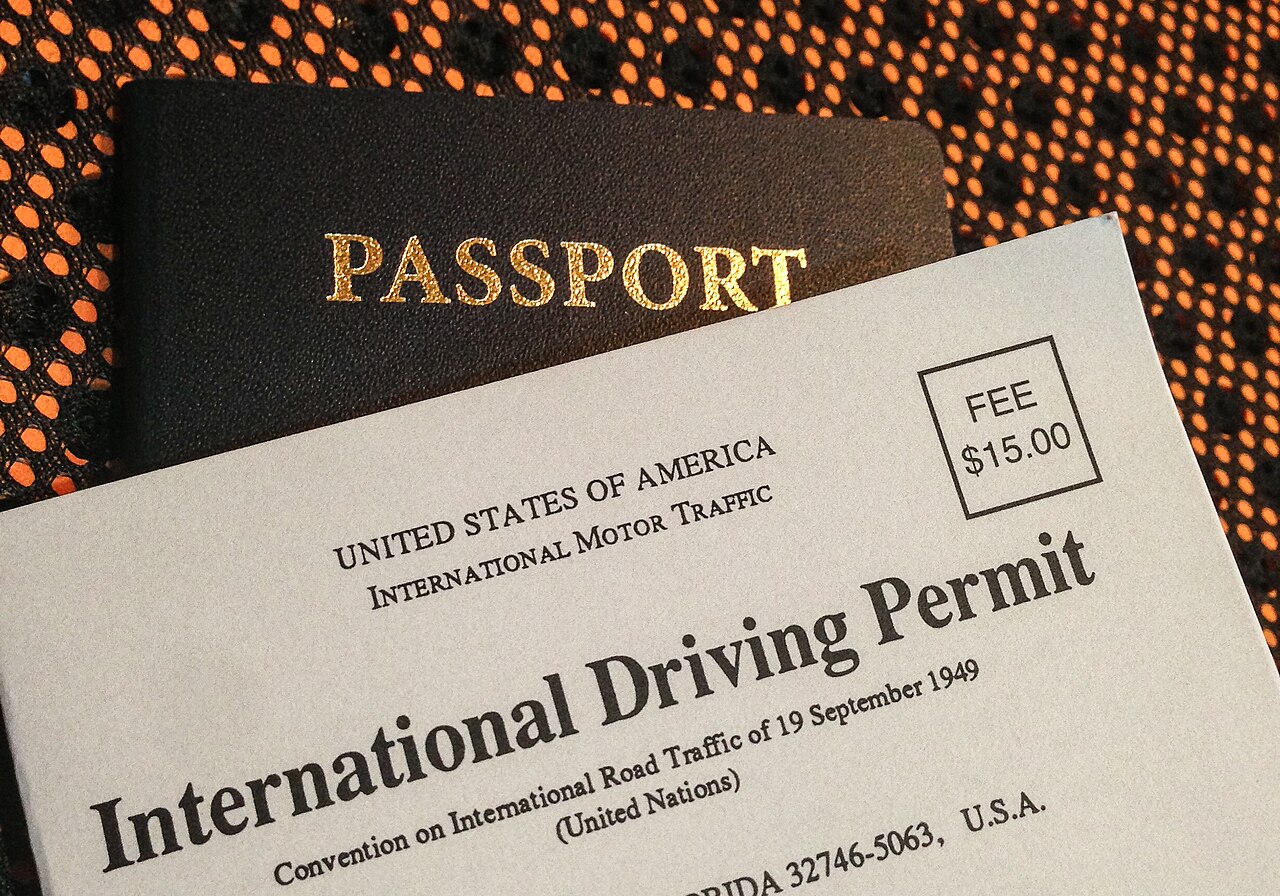
6. Trans and nonbinary travelers: sort your passport first
Big change for Americans. On November 6, 2025, the Supreme Court let the State Department enforce its policy of issuing passport sex markers based on sex assigned at birth while the lawsuit against it continues. That applies to new and renewed passports, so if your current passport is valid and has the marker you want, think carefully before renewing it.
Your gender expression not matching the marker on your passport can mean delays at borders abroad. The UK Foreign Office suggests that anyone who’s had facial surgery carry a letter from their medical team explaining the change in appearance. A copy of any court order or name-change paperwork in your bag doesn’t hurt either.
7. Know your TSA rules (binders, prosthetics, pat-downs)
TSA says it screens transgender travelers as they present, and that you can ask for private screening or a supervisor at any point. The body scanner’s software is built around male and female templates, so binders, packers, breast forms and prosthetics can set it off. That’s an alarm on the item, not a verdict on you.
- Explain briefly. The National Center for Transgender Equality says a short “it’s a binder” or “it’s a prosthetic” can cut down on delays, and that you should never be asked to lift or remove clothing to show a prosthetic item.
- Bring a witness. You can take someone you choose into a private screening.
- Know the pat-down change. Since February 2025, TSA bars transgender officers from doing pat-downs, and internal documents reported in November 2025 say pat-downs are now assigned by “biological sex.” Officers start from how you look to them. If you correct them, the pat-down is supposed to follow the sex you tell them. If something goes sideways, ask for a supervisor and get names, the time and the checkpoint for a complaint later.
8. Meds go in their original packaging (and check the rules first)
This one trips up everyone, queer or not. Keep prescriptions in the pharmacy-labeled bottles, and carry the prescription plus a doctor’s letter listing each drug and what it’s for. That’s straight from Japan’s own embassy guidance.
- Japan bans stimulants like amphetamine and anything with pseudoephedrine (yes, Sudafed), and caps prescription meds at one month’s supply unless you get an import certificate (a Yunyu Kakunin-sho) before the trip.
- The UAE requires advance approval from its Ministry of Health for any controlled medication, and you need the prescription for the exact amount you’re carrying.
- HIV meds and PrEP can be banned or raise questions in some countries, the UK Foreign Office warns. A 2025 global study found 50 countries still have HIV-related travel or residence restrictions. Check yours at positivedestinations.info.
- Hormones and syringes: pack them in labeled pharmacy packaging with a doctor’s note, and look up your destination’s rules for injectables before you go.
👉 Pro tip: put your meds in your carry-on, never checked. Lost luggage is a nuisance. Lost HRT in a country where you can’t refill it is a crisis.
9. Lube, toys and the naughty stuff
Good news first: in the U.S., adult toys are fine in carry-on or checked bags. Lube is a liquid, so in your carry-on it follows the 3-1-1 rule (3.4 oz or less, in your one quart-size bag). Toys with lithium-ion batteries go in your carry-on, not checked, and take out removable batteries so nothing starts buzzing on the belt (unless you want a story).
Now the less fun part. Several countries, including the UAE, Saudi Arabia, the Maldives and Malaysia, have strict rules on bringing in sex toys or anything they consider obscene. Dubai’s airport lists “items that contradict Islamic faith and public morals” as prohibited and says “illegal pornography” has to be declared. If you’re headed somewhere like that, leave the harness at home and buy locally (or later).
10. Tell someone where you are
Share your itinerary and your live location with a friend at home, and agree on a check-in time when you’re meeting someone new. Americans can enroll in the State Department’s free Smart Traveler Enrollment Program (STEP), which sends safety alerts from the local embassy and helps the embassy reach you in an emergency.
If you’re ever arrested abroad, ask the police to notify your embassy. The State Department says consular officers are there to help, and to protect your privacy while they do it. Keep copies of your passport and insurance somewhere other than your wallet.
11. Don’t drop your guard in the “safe” places
The UK Foreign Office makes a point we’d tattoo on every gay traveler if we could: violence and harassment can happen in LGBT+-friendly countries too, so take the same precautions you would at home. If someone gets aggressive, get yourself somewhere safe first and report it after. The Pride flag on the bar door is a good sign, not a force field.
That’s the list. Ten minutes of prep, then go have the trip.
Planning something and not sure how a destination treats us? Reply to any GoQueer email and ask. We read every reply. 😘